Hardy Diagnostics’ Microbytes: how air sampling has evolved
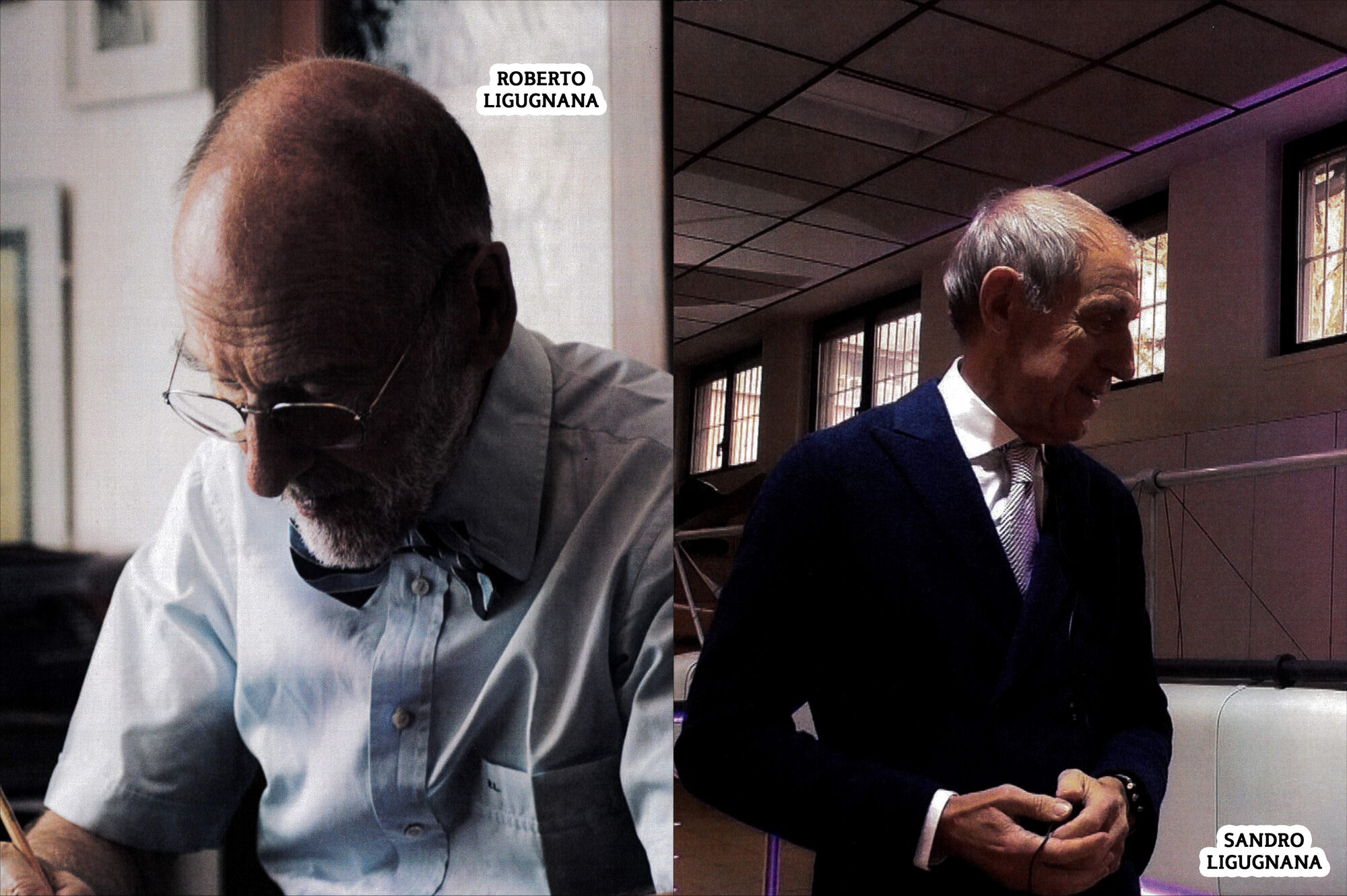
Microbytes, the Hardy Diagnostics magazine (Pharma Micro issue, vol. 1), published “The evolution of environmental microbial air sampling”, an interview with Roberto and Sandro Ligugnana on the history of the portable microbial air sampler.

The interview at a glance
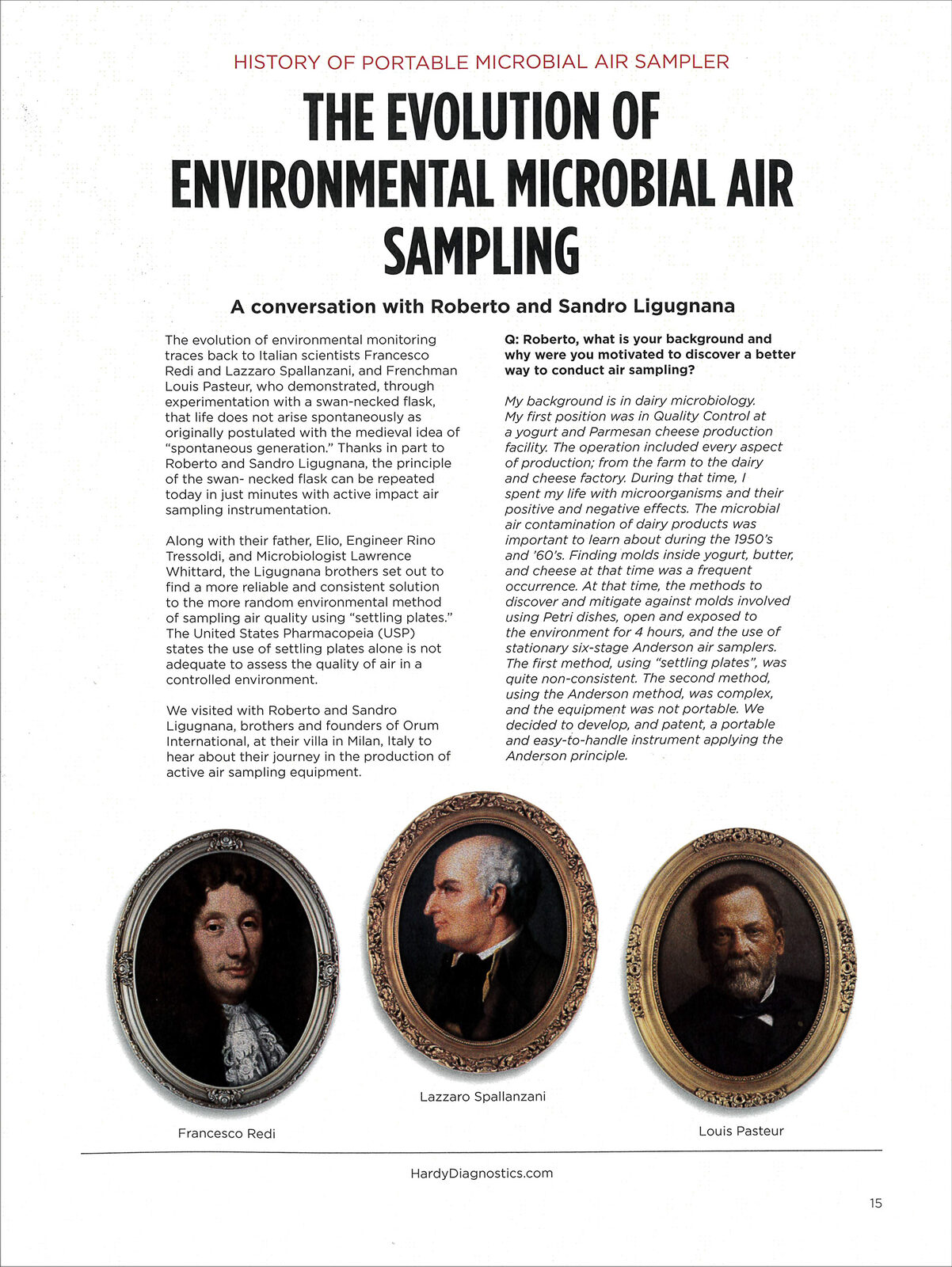
The article starts far back: Francesco Redi, Lazzaro Spallanzani and Louis Pasteur, whose swan-neck flask showed that life does not arise by spontaneous generation. According to Microbytes, the same principle can now be checked in a few minutes with an active impact air sampler.
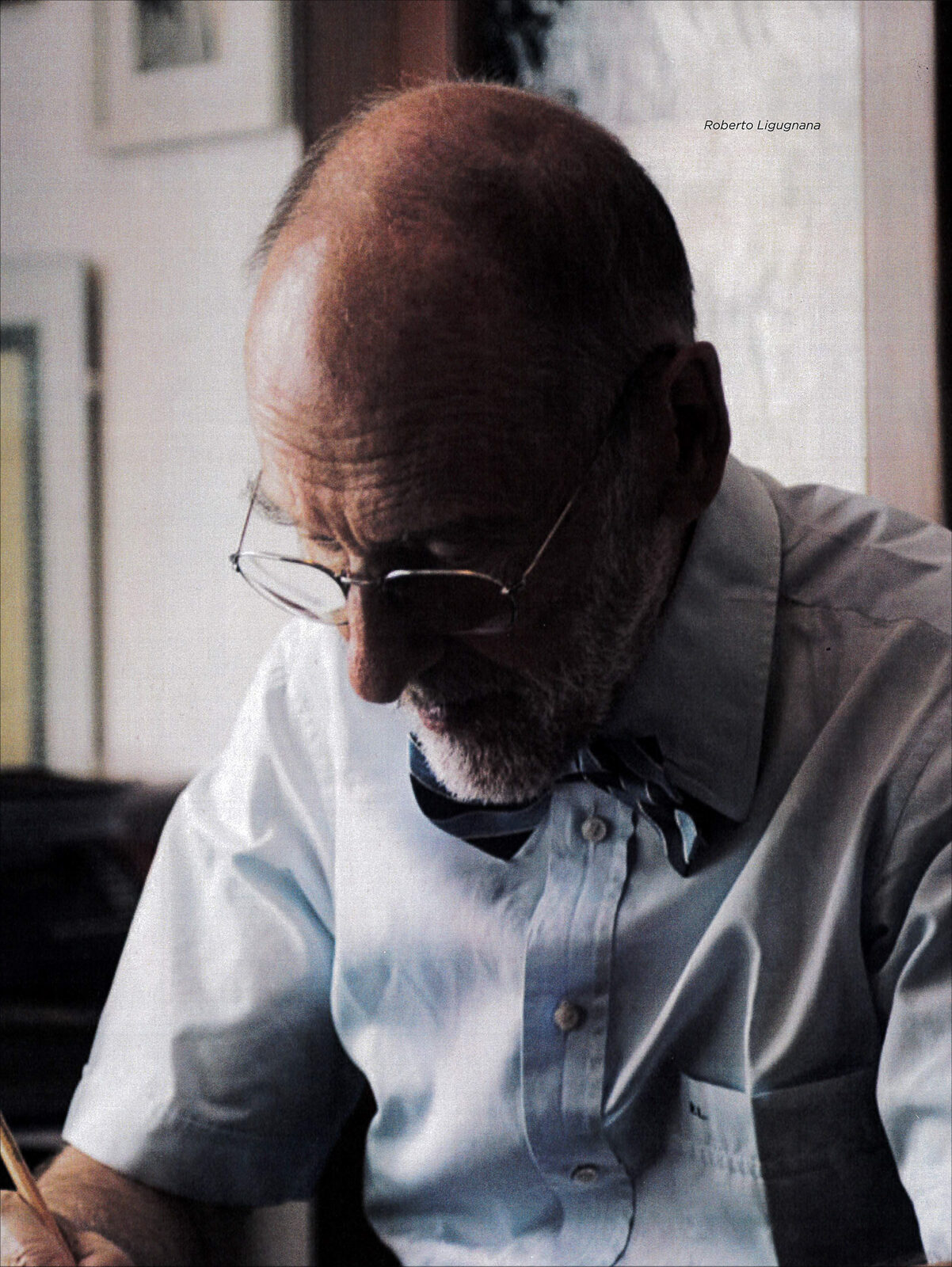
Roberto Ligugnana explains that his background is dairy microbiology, starting in quality control at a yogurt and Parmesan cheese plant. In the 1950s and 1960s moulds were tracked with Petri dishes left open for 4 hours or with stationary six-stage Andersen samplers, which were complex and not portable. That led to developing and patenting a portable instrument based on the Andersen principle, with their father Elio, engineer Rino Tressoldi and microbiologist Lawrence Whittard.
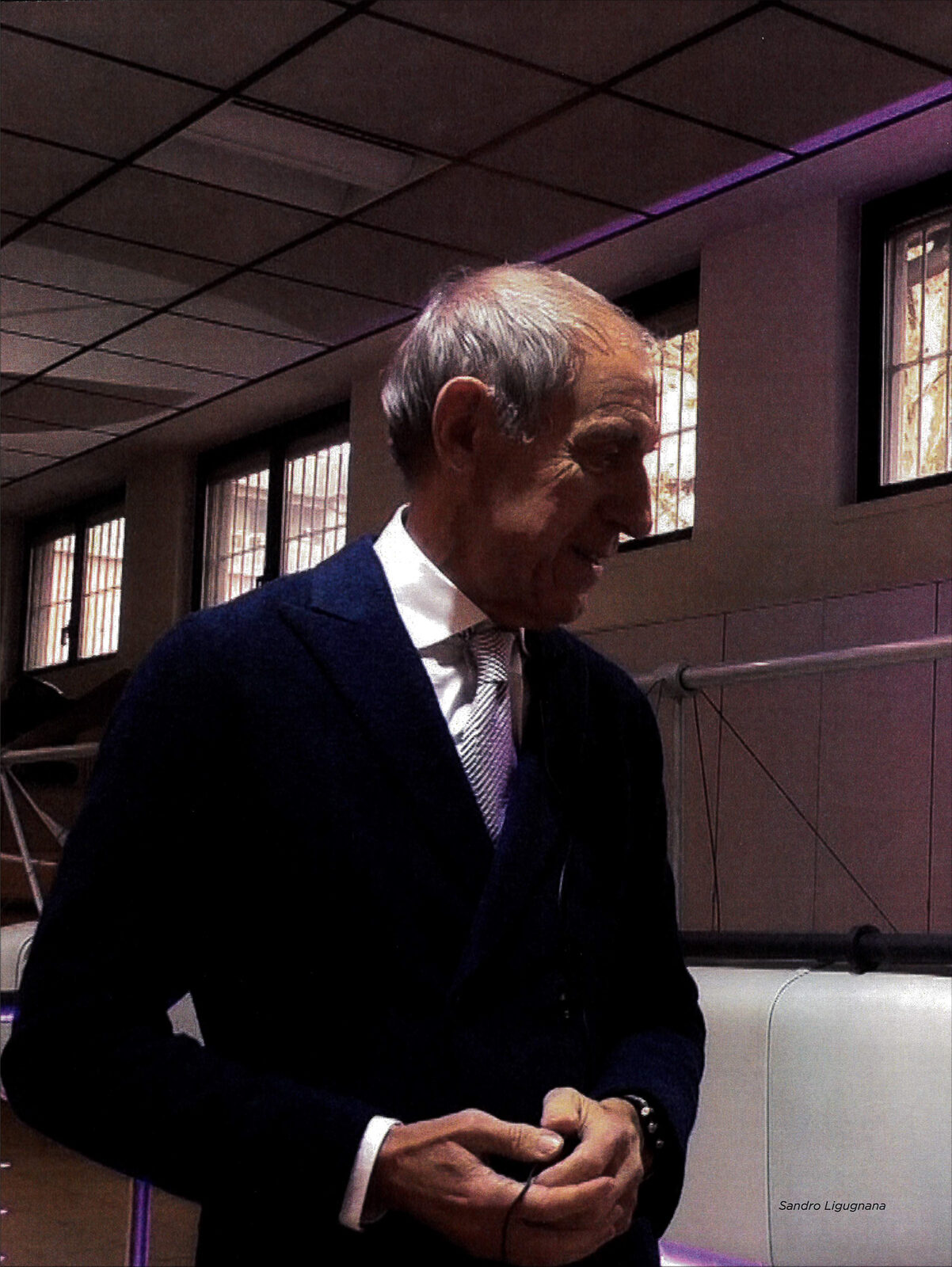
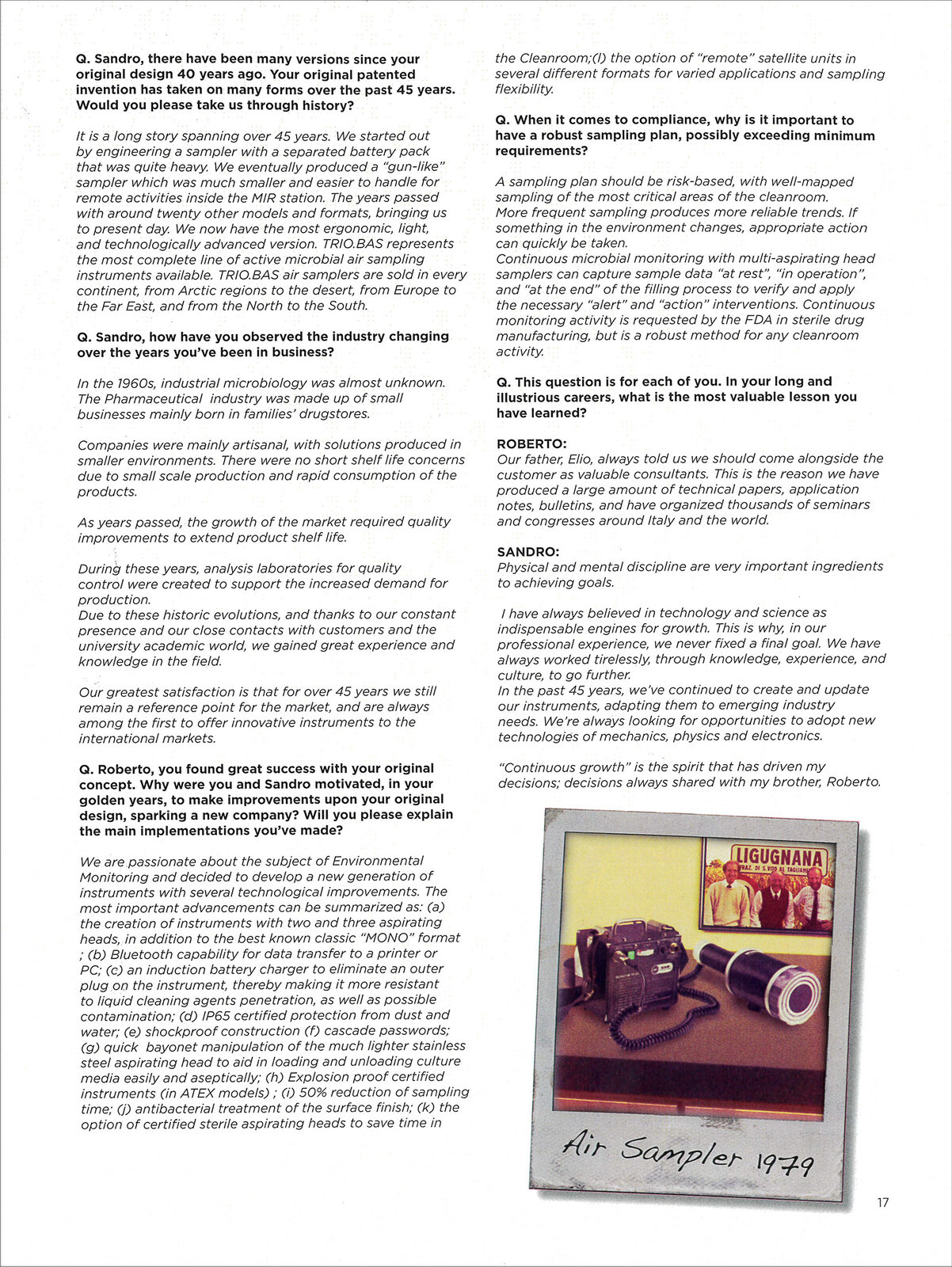
Sandro Ligugnana, President of ORUM INTERNATIONAL, walks through the models: the first with a separate, heavy battery pack, then a smaller “gun-like” sampler also used for activities on the MIR station, and about twenty models since, up to TRIO.BAS.
Twelve features of the new generation
On sampling plans the answer is clear: build them on risk, with a map of the most critical areas. More samples give more reliable trends, and continuous monitoring with multi-head samplers collects data “at rest”, “in operation” and at the end of filling.
Asked for the most valuable lesson, Roberto recalls their father Elio’s advice to stand by the customer as consultants, which is where the technical papers, application notes and seminars come from. Sandro names discipline and “continuous growth”, a choice always shared with his brother.
The interview pages
- 2016Meeting in the United States
- 2016The Hardy catalogue
- 2017IJPC
- 2022ASM Microbe
- 2023Microbytes
Where TRIO.BAS went in 2023
TRIO.BAS in 2023
- JanuaryVERITEST SYSTEM for flow-rate checks
- JanuaryThe P.A.C.A.S. protocol
- JanuaryApplication notes and SOPs for Annex 1
- FebruaryAGC, three tests with one instrument
- FebruaryAIRBIO ONE RAPID-VIRUS
- February-MayFour BAG LINE bags
- MayActive and passive together, as Annex 1 asks
- JuneThe Microbytes interview
- JulyThe Asia tour: China and South Korea
- SeptemberAIR.BIO TRIO and the new three-head samplers
- SeptemberThe agar plate study
- NovemberService technicians at Villa Cella